

Maintaining your knives means more than just keeping them sharp, it also involves some maintenance and cleaning. We will cover some basics when it comes to taking care of your EDC (Every Day Carry) pocket knives here.
DISCLAIMER: Disassembling a knife will likely void any warranty, make sure to check with the manufacturer before proceeding.
If the disclaimer did not scare you off we can get started. When “tearing down” a knife you are going to want to have a few things on hand.
- Masking tape – This is great for covering the edge of the knife so you won't accidently hurt yourself.
- Metal cleaning solvent - We will use this to break down debris when cleaning the knife.
- Knife lube - Used on the pivot collar and moving parts of the knife, also is great for bearings if your knife uses them.
- Cotton Swabs/Que Tips- Perfect for cleaning in those hard-to-reach places. (If your knife does not need to be taken apart you can get away with using an air compressor or can of air to blow out the debris.)
Each knife is different so we will skip a step by step on breaking down the knife. Generally there are several Torx bolts holding the scales and pocket clip in place that will need to be removed and you will want to apply the masking tape to the blade edge to protect yourself once things start coming apart. Once the knife is apart, we can clean the action of the knife. Metal solvent is great for cleaning up metal bushings and the knife blade itself. For the inside of the scales a que tip works great to get in-between those grooves and hard to reach places.
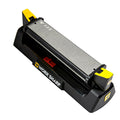
This would not be a Work Sharp post without a sharpener would it? If your knife uses metal bushings, the ceramic plate on our Bench Stone, works great when it comes to smoothing out any burrs that may have formed. You can also use any ceramic plate or honing rod to easily smooth out those rough areas and smooth out that action.
After you clean all of the parts you’re ready to lube the action and reassemble. Once everything goes back together just finger tighten the screws on the scales so you can still tune the pivot screw to your liking. Once your satisfied with the action go ahead and tighten things down but be careful not to overtighten those screws, it does not take much and you don’t want to risk hurting your hardware.
Find the best sharpener for me
Answer a few quick questions and we'll match you to the ideal Work Sharp sharpener.

Subscribe for sharpening tips & updates
Join the Work Sharp email list for guides, new products and offers.