
The excitement of acquiring a new knife and using it for various tasks eventually leads to the day when the blade requires sharpening to restore its initial sharpness. To embark on this sharpening journey, there are a few crucial aspects to consider before diving in.
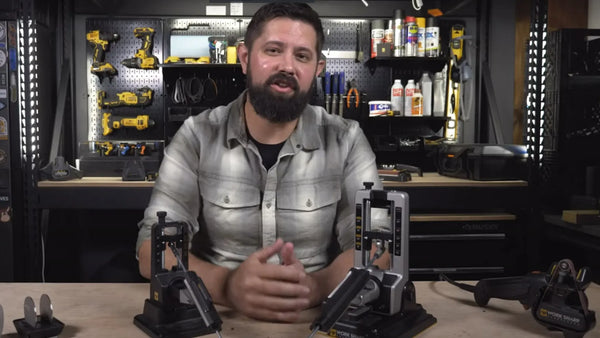
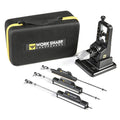
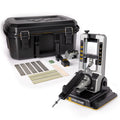
Firstly, it's essential to ascertain the angle at which the knife was originally sharpened at the factory. Typically, most pocket and outdoor knives fall within the 20°-25° range, while kitchen knives are often in the 15°-20° range. Larger bushcraft or camp knives may have wider angles, reaching up to 30°. Manufacturers often provide this information, but if not, the Precision Adjust Knife sharpener offers a practical solution. By setting up the knife on the Precision Adjust as if preparing for sharpening, the angle can be determined by aligning the abrasive plate with the knife's bevel and adjusting the angle accordingly using the knob.
Once the factory angle is identified, the decision must be made whether to retain that angle or make an adjustment. Broader edge angles, as seen in pocket knives, offer durability but may lack the smooth slicing capability of knives with narrower angles, such as kitchen knives. It is advisable to sharpen the knife based on its intended primary use.
Another factor to consider is how refined you want the edge to be. Using a coarse abrasive like the 320-grit diamond plate on the Precision Adjust Tri-brasive creates a "toothy" edge. Instead of progressing to the 600 grit (medium abrasive), jumping to the fine ceramic can remove the burr while leaving striations, ideal for creating a saw-like edge for tougher cutting tasks. For those preferring a polished mirror-like finish, progressing through all abrasive options (coarse to fine) allows for refining the edge to personal preference.
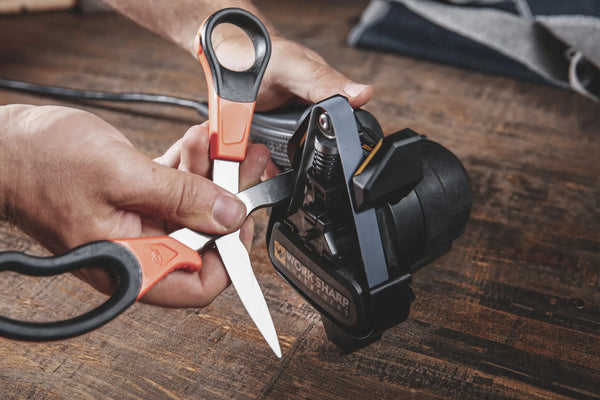
Regardless of the chosen angle and edge, Work Sharp provides the tools necessary to successfully complete the sharpening process.
Find the best sharpener for me
Answer a few quick questions and we'll match you to the ideal Work Sharp sharpener.

Subscribe for sharpening tips & updates
Join the Work Sharp email list for guides, new products and offers.